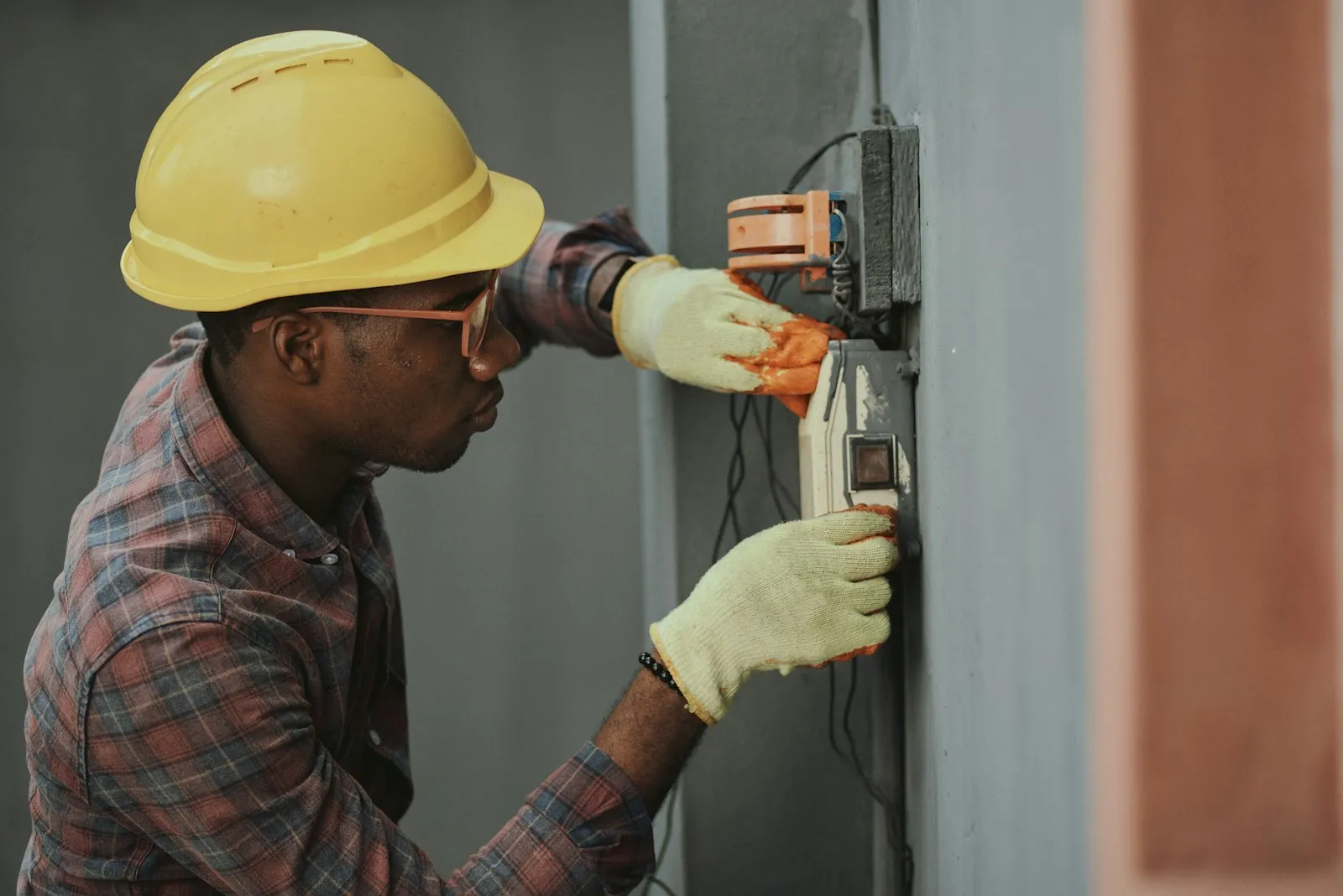
Direct answer: A home EMF test measures two different things — radio-frequency (RF) from wireless devices and extremely low frequency (ELF) from power lines and appliances — and the global EMF testing services market is growing faster than the hardware market itself
Your home is full of invisible electromagnetic fields: WiFi routers, phones, smart meters, power cables, appliances. Most of the time they are harmless background noise. But if you are sensitive, curious, or planning a nursery or home office, knowing your actual numbers beats guessing.
RF vs ELF: the two families of EMF
RF (Radio Frequency) — high-frequency fields from wireless technology: WiFi, mobile phones, Bluetooth, baby monitors, smart home devices. Measured in microwatts per square centimeter (µW/cm²) or volts per meter (V/m). These are the fields that change when you turn WiFi on or off.
ELF (Extremely Low Frequency) — low-frequency fields from electricity: power lines, wall wiring, transformers, and anything with a motor (refrigerator, washing machine, hair dryer). Measured in milligauss (mG) or microtesla (µT). These exist whenever power flows, even with no wireless devices at all.
Different meters measure different things. A cheap single-axis meter may only catch part of the picture. A proper home assessment uses separate instruments for RF and ELF.
What the numbers mean
There are international reference guidelines (ICNIRP) for safe exposure limits, and most homes sit well below them. But “below the limit” is not the same as “zero” — and for people who care about reducing exposure, the useful question is relative: which spots in my home are highest, and what simple changes reduce them?
Common findings in a typical home:
- Bedroom with the router in the headboard wall — high RF right where you sleep
- Old wiring or a transformer box near the bed — elevated ELF
- Desk with a phone, laptop, and WiFi all within one meter — stacked RF sources
Simple fixes often work: move the router out of the bedroom, use wired connections for the desk, keep the phone off the nightstand. Measuring first tells you which changes actually matter.
Why testing services are growing fast
The global EMF detection instrument market is projected to grow from about $646 million to $1.26 billion by 2035 (CAGR 7.7%) — and that growth rate is higher than the EMF shielding hardware market. In plain terms: more people want to know their numbers, not just buy products. Measurement is the trusted first step.
An in-home water quality and EMF test (travel fee applies, fully deductible if you purchase within 24 hours) uses professional instruments to map the RF and ELF levels in your actual living space — bedroom, nursery, desk, living room — and gives you a plain-language report you can act on.
FAQ
Q: Can my phone measure EMF? A: Phones have sensors that can approximate some fields, but they are not calibrated for measurement. For reliable numbers you need proper meters or a professional assessment.
Q: Are EMF levels in my home dangerous? A: Most homes are within international reference guidelines. The goal of testing is knowledge and reduction, not alarm — find the high spots, make simple changes, and measure again.
Q: How long does a professional home EMF test take? A: Typically 30–60 minutes depending on home size, covering bedrooms, nursery, work areas, and main living spaces with both RF and ELF instruments.